
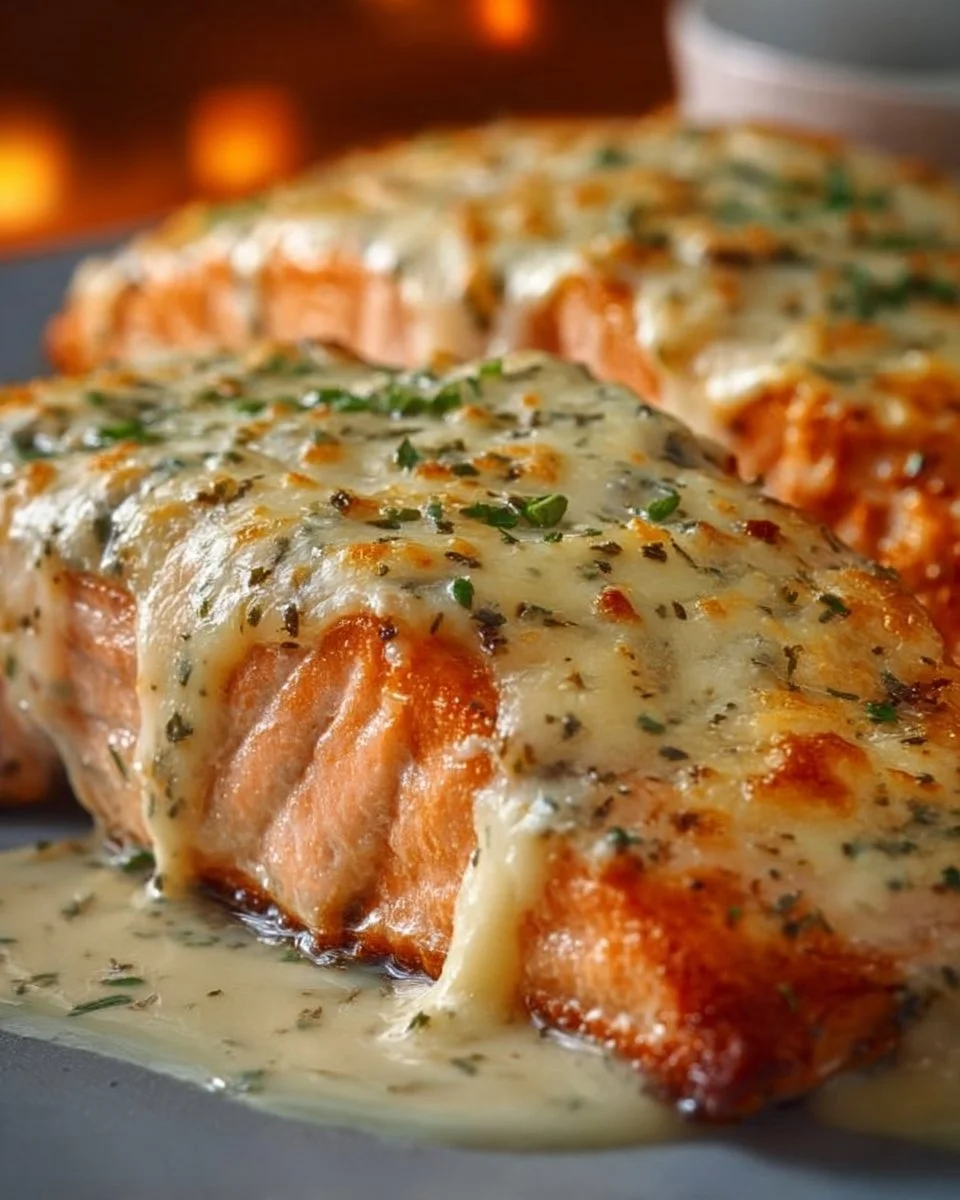
If you’re looking for a simple yet delicious way to enjoy salmon, this Baked Salmon with Mayo and Cheese recipe is a must-try. It marries the rich, buttery flavor of salmon with the creaminess of mayonnaise and the delightful melt of cheese, creating a dish that’s not only satisfying but also incredibly easy to prepare. Perfect for busy weeknights or a fancy dinner party, this dish shines with its simplicity and comfort. Let’s dive into why this recipe is so special and how you can whip it up effortlessly.
Why This Recipe Stands Out
What makes this dish truly great is its fuss-free preparation combined with the impressive flavor it delivers. You don’t need any advanced culinary skills to prepare it, making it accessible for cooks of all levels. The use of mayonnaise not only ensures that the salmon remains moist and tender but also enhances the overall flavor profile. Plus, adding cheese on top creates a deliciously bubbly crust, making each bite a heavenly experience. This recipe is also adaptable to different tastes and dietary needs, making it a versatile option for any meal.
Understanding the Cooking Process
The process of making baked salmon is straightforward. You start by prepping your ingredients, which involve simply layering mayonnaise and cheese on top of the salmon fillets. After seasoning it to your liking, you pop it in the oven where the magic happens. Baking it results in perfectly flaky fish topped with a golden, crispy layer of cheese. This dish can be paired with various sides, making it customizable for every palate!
Ingredients
- Prep Time: 10 minutes
- Cook Time: 15-20 minutes
- Total Time: 25-30 minutes
- Servings: 4
- Salmon fillets
- Mayonnaise
- Cheese (such as Parmesan or Cheddar)
- Salt
- Pepper
- Optional: lemon juice
- Optional: herbs (such as dill or parsley)
The key ingredients in this recipe add both flavor and texture. Salmon is perfect due to its healthy omega-3 fatty acids, while mayonnaise adds richness. The choice of cheese can elevate the dish—Parmesan lends a nutty flavor, while Cheddar brings a sharpness that is just delightful.
Step-by-Step Instructions
Follow these easy steps to create your delicious baked salmon:
- Preheat your oven to 400°F (200°C). This step ensures that your salmon cooks evenly.
- Prepare the baking sheet by lining it with parchment paper. This will prevent the salmon from sticking, making cleanup a breeze.
- Place the salmon fillets on the prepared baking sheet. Make sure they’re spaced out well for even cooking.
- Spread a layer of mayonnaise over each fillet. Be generous; this helps keep the salmon moist.
- Sprinkle cheese on top of the mayonnaise. Ensure you cover it enough to get that delightful cheesy crust.
- Season with salt, pepper, and if you like, a splash of lemon juice or some fresh herbs for an added flavor boost. Herbs like dill or parsley work beautifully here.
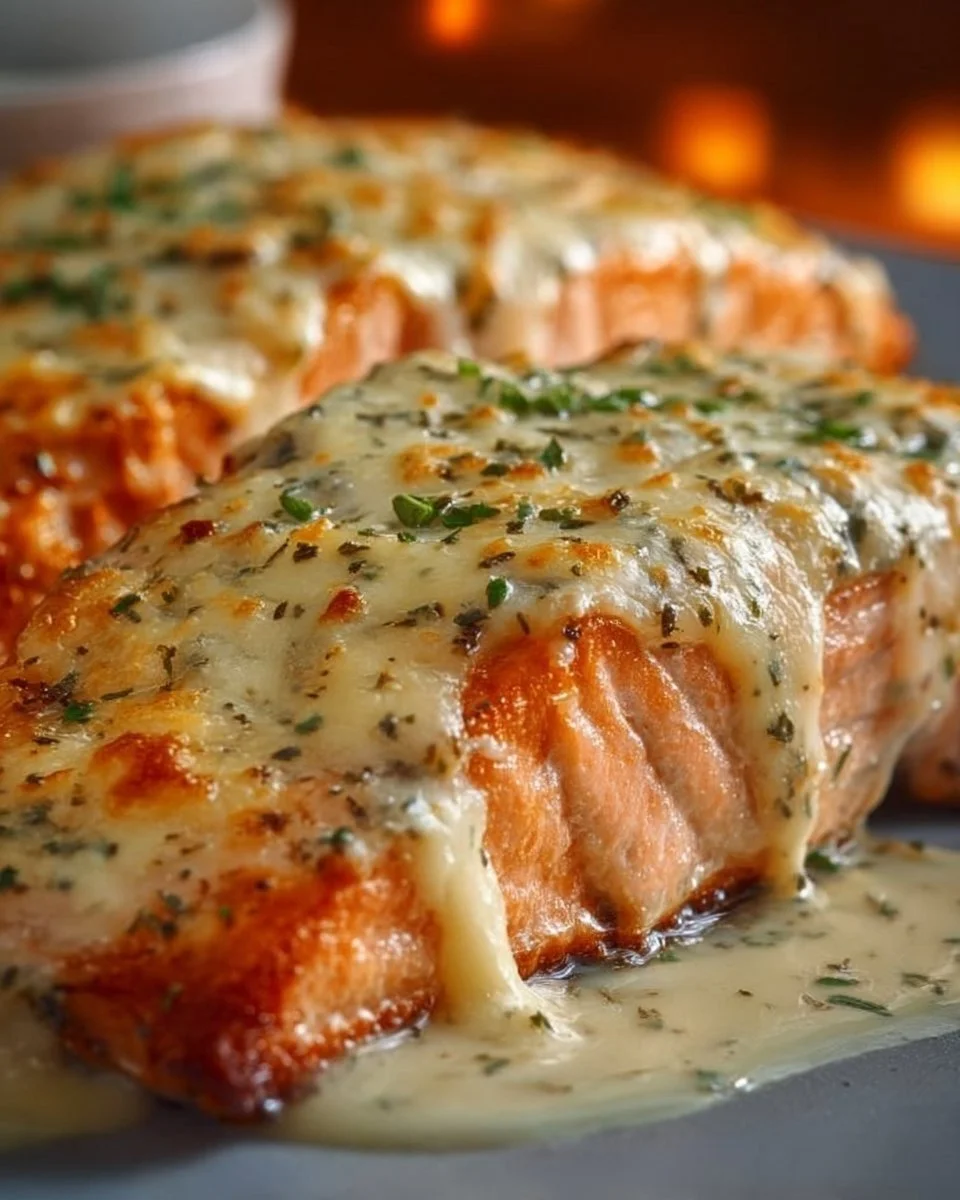
- Bake for about 15-20 minutes or until the salmon is cooked through, and the cheese is golden and bubbly. You’ll know it’s done when it flakes easily with a fork.
- Serve with your choice of roasted veggies or a light salad for a well-rounded meal.
Ways to Enjoy Your Baked Salmon
When it comes to serving this baked salmon, the possibilities are endless. You can accompany it with:
- Roasted Vegetables: Think Brussels sprouts, asparagus, or carrots to add a crunchy contrast to the tender fish.
- Light Salad: A simple arugula or spinach salad dressed with lemon vinaigrette pairs wonderfully.
- Quinoa or Rice: Serve it over a bed of quinoa or brown rice for a filling, nutritious option.
- Wine: A chilled glass of Sauvignon Blanc or a light Pinot Noir complements the dish beautifully.
Storing and Reheating Tips
If you’re lucky enough to have leftovers, you can store your baked salmon in an airtight container in the refrigerator for up to three days. Just make sure it cools down completely before sealing it. For longer storage, feel free to freeze the cooked fillet. Wrap it tightly in plastic wrap and then place it in a freezer-safe bag. It can last for up to 2 months in the freezer.
When it comes to reheating, do so gently to maintain the quality. Place it back in the oven at a low temperature around 325°F (160°C) until warmed through. You can also use a microwave, but be cautious not to overcook it, as that may cause it to dry out.
Expert Cooking Tips
Here are some pro tips to follow that will ensure your baked salmon turns out perfectly every time:
- Choose the Right Salmon: Look for fresh, high-quality salmon at your local fish market or grocery store. Wild-caught salmon often has better flavor.
- Don’t Overdo the Mayo: While mayonnaise keeps the fish moist, too much can make it greasy. A thin layer is enough.
- Check for Doneness: Use a fork to check if the salmon flakes easily; this is the easiest way to know when it’s done.
- Experiment with Flavors: Feel free to add different herbs or spices, such as garlic powder or smoked paprika for an added twist.
Recipe Variations to Try
This baked salmon recipe is versatile, and you might want to switch things up a bit. Here are some variations you can easily incorporate:
- Cheese Alternatives: If you’re looking to reduce calories, swap full-fat cheese for a lower-fat cheese option. You can also use a dairy-free cheese for a vegan version.
- Add a Crunch: Try sprinkling some breadcrumbs on top of the cheese for a crispy topping.
- Citrus Twist: Use a mix of lemon and lime juice instead of just lemon for a refreshing change.
- Herb Mix: Experiment with different herbs like basil or tarragon to change the flavor profile.
Frequently Asked Questions
1. How do I know when the salmon is cooked?
The salmon is cooked when it flakes easily with a fork and has an internal temperature of 145°F (63°C).
2. Can I use frozen salmon for this recipe?
Yes, you can use frozen salmon. Just ensure it’s fully thawed before cooking for the best results.
3. What kind of cheese is best for this dish?
Both Parmesan and Cheddar work wonderfully, but feel free to use your favorite cheese or whatever you have on hand.
4. Can I make this recipe ahead of time?
Yes, you can prepare the salmon with mayo and cheese, cover, and store it in the fridge for a few hours before baking.
5. Is there a substitute for mayonnaise?
You can use Greek yogurt or a mixture of sour cream and mustard as a healthier alternative to mayo.